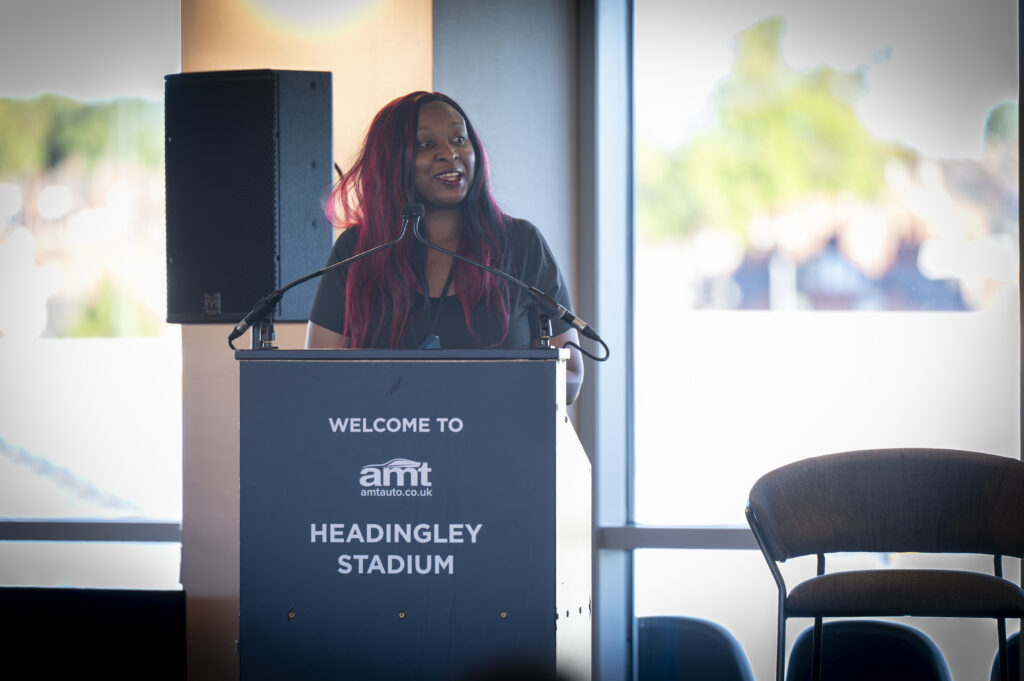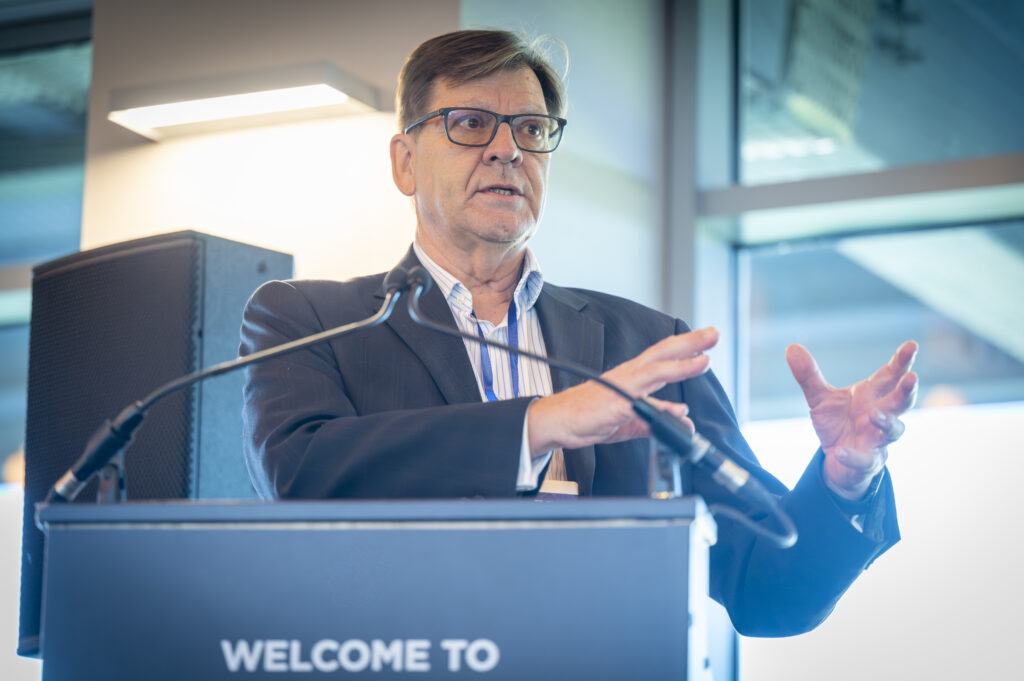
This October, Headingley Stadium welcomed innovators, clinicians, academics, policymakers and communities from across the UK for SurgTech 2026.
Across two packed days, attendees and high-profile speakers explored how cutting-edge technology is transforming care before, during and after surgery. From robotics and artificial intelligence to wearables, predictive analytics and advanced surgical techniques, the programme showcased some of the most exciting developments in healthcare.
While delegates explored the dizzying heights of what’s now possible through AI, data-driven care and emerging technologies, speakers returned time and again to the questions that matter most: how do we ensure innovation doesn’t just look impressive, but genuinely improves people’s lives? How do we make sure these advances benefit not just some patients, but everyone? And how do we earn and maintain public trust as new technologies become an increasingly important part of care?
SurgTech 2026 ensured the right people and partnerships were in the room to spark meaningful and energising conversations around these very questions.

The future of healthcare is here – and it’s powered by partnership
Opening the conference, Professor Nick Plant, Pro Vice-Chancellor: Research and Innovation at University of Leeds, highlighted how innovation in health technology has a critical role to play in the NHS’s three strategic shifts: from hospital to community, from analogue to digital and from sickness to prevention.
Prof. Plant noted: “As the health and care sector responds to these priorities, technology, innovation and partnership working are essential to improving patient outcomes, increasing productivity and building more sustainable services.
“These aren’t challenges that can be solved by any one organisation alone, which is why events such as SurgTech are so important.”
And as Prof. Plant explained, an unrivalled approach to collaboration is something that sets our city and wider region apart:
“Leeds ranks in the top three globally as a healthtech hub, and has been chosen by the UK government to drive forward its national health mission, as well as playing a pivotal and pioneering role in bringing care closer to home for our communities.
“And, we’re at the heart of a region which is home to a third of the UK’s healthtech companies, fuelling business growth through a £160 million West Yorkshire Investment Zone.”
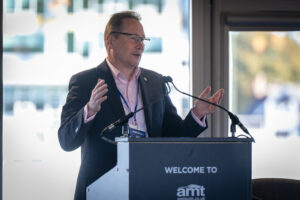
“We want to be the place where more innovators choose to develop, test and scale new technologies; where the NHS can be an increasingly active partner in transformation; and where innovation continues to deliver both improved health outcomes and inclusive economic growth for our communities at pace and scale.”
SurgTech 2026 was a powerful example of this ambition in action. Connecting expertise across the innovation pipeline and demonstrating how collaboration between researchers, clinicians, businesses, policymakers and patients can accelerate the development and adoption of technologies that make a real difference to people’s lives.
What’s more, Leeds has developed a reputation for bringing together world-class expertise around a shared purpose, as a city committed to working together to reduce health inequalities and transform health and care for all.
Technology shaped by people and purpose
During the robotics plenary, Professor Michael Lewis, NIHR Scientific Director for Innovation, challenged delegates to think beyond the excitement of emerging technologies and focus on the impact they are delivering.
“When we talk about technology, who is benefiting from this shiny stuff?” he asked.
“Let’s bring it back to what we’re really talking about here: people.”
Across healthcare, innovation is accelerating at an extraordinary pace. The emergence of AI, advanced robotics and data-driven decision making is opening up opportunities that would have seemed impossible only a few years ago.

Looking ahead to 2035, he outlined three developments likely to transform robotic surgery: data-guided procedures capable of recording movement and force; augmented vision supported by AI overlays that can help identify structures such as nerves and tumours; and increasing automation of surgical sub-tasks such as suturing.
He also highlighted the growing potential of telesurgery, pointing to successful remote operations carried out across countries including Angola, Spain and Nepal.
As healthcare systems embrace increasingly sophisticated technologies, SurgTech reinforced the importance of ensuring advances are accessible, equitable and designed around patient need.
As Prof. Lewis highlighted: “Better surgery is only half of what we’re after. The other half is fairer surgery. We need to continually consider the key themes of impact, innovation, investment and inclusion.”
Trust earned at every step
The relationship between innovation and public trust emerged as another defining theme of this year’s event.
In his keynote on artificial intelligence tools and data, Lawrence Tallon, Chief Executive of the Medicines and Healthcare products Regulatory Agency (MHRA), explored one of the most pressing questions facing healthcare today – and one asked by delegates in a dynamic Q&A – how do we ensure people trust AI?
People may be increasingly open to AI playing a role in healthcare, Lawrence explained, but that trust remains highly conditional.
“They want to know that there is ultimately a human at the end of the chain.
“Even if there’s quite a lot happening between those two humans, they want to know if something goes wrong, there is a person genuinely accountable.”
Lawrence also emphasised that “we can’t take public consent for granted. We have to continually earn it at every step.”
Research undertaken for the National Commission into the Regulation of AI in Healthcare suggests the public broadly supports the potential benefits of AI, but only when appropriate safeguards are in place.

Transparency, accountability and effective regulation emerged as critical ingredients across a panel discussion featuring Professor Michael Lewis, Professor Darren Treanor, Philip White and Professor Muthu Ramachandran.
And across an engaging audience discussion, delegates explored how health systems can keep pace with rapidly changing public expectations – with a consensus from the panel that “unless we – as a group of health system leaders, academic leaders, regulators – can keep pace with what the public wants and expects from us, people will do their own thing.”
Inspiring examples of real-world impact
Opening day two, Dr Ai Lyn Tan, Medical Director for Research and Innovation at Leeds Teaching Hospitals NHS Trust shared how, as one of the UK’s largest teaching hospitals, the Trust is leading the way when it comes to advances across surgery, research and innovation.
With research into cutting-edge medical treatments for patients generating more than £140m in external research funding over the last five years, Dr Tan highlighted that Leeds Teaching Hospitals has recruited more than 117,000 participants into 1,460 active research and innovation projects – with several studies representing national and international firsts.
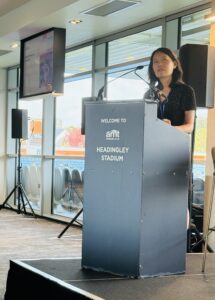
Attendees gained a fascinating insight into some of the groundbreaking advances happening in Leeds during a subsequent breakout session showcasing pioneering surgical innovation at Leeds. Among the highlights was a remarkable case study on the first UK procedure successfully removing a tumour through a patient’s eye socket.
Delegates heard from one of the surgeons behind the approach, Mr Jiten Parmar, Consultant in Maxillofacial Surgery, who explained how the technique allows teams to access and remove tumours without opening the skull or retracting the brain. As a minimally invasive procedure, it can significantly reduce trauma, helping patients recover more quickly and with minimal visible scarring.
Jiten described how close collaboration between maxillofacial and neurosurgical teams, combined with advanced 3D planning technology, has been a game changer. Together, these approaches enable surgeons to target tumours with exceptional precision while supporting safer outcomes for patients.
The breakthrough is just one example of the remarkable work taking place at the Trust and across the city, and offers a powerful example of what can be achieved when world-class clinical expertise, research and technology come together with a shared determination to push the boundaries of what’s possible for patients.
Dr Tan described Leeds as a “powerhouse for health innovation” – a place where unrivalled collaboration and globally-leading strengths in digital, data and AI come together to make tomorrow’s healthcare possible today.
Here, a uniquely connected ecosystem brings together world-class academic research, an outstanding healthtech industry cluster and a single, cohesive health and care partnership – all represented by Health Innovation Leeds.
People, partnerships and purpose
SurgTech 2026 reminded us why it has become one of the UK’s leading annual events for innovators, clinicians, academics and communities to come together and shape the future of healthcare. Showcasing world-class surgical technologies guided by visionary policy leadership, cutting-edge industry solutions and patient voices, the conference provided a unique opportunity to explore how innovation can transform care before, during and after surgery.
NIHR is the health and social care research arm of the nation, driving life-changing research, and this year’s event was hosted by Leeds NIHR HealthTech Research Centre and the NIHR Surgery and Perioperative Care (SPOC) Translational Research Collaboration (TRC) – bringing together the breadth of the UK’s surgical and perioperative research excellence.
That spirit was evident throughout the programme. During a thought-provoking session on wearables and predictive analytics, chaired by Professor Jonathan Benger, Chief Executive of NICE, delegates looked beyond the technology itself to explore the practical realities of implementation, adoption, trust and equity. It was an honest and refreshing discussion, reflecting a theme seen across the conference: innovation only delivers impact when it works in the real world for patients, clinicians and communities.

And throughout the event, delegates played an important role in shaping those conversations. Whether exploring how we maintain public trust in AI, overcome barriers to adoption, or ensure innovation reaches the people who stand to benefit most, audience questions consistently helped move discussions from possibility to practicality.
Big city buzz, local Leeds welcome
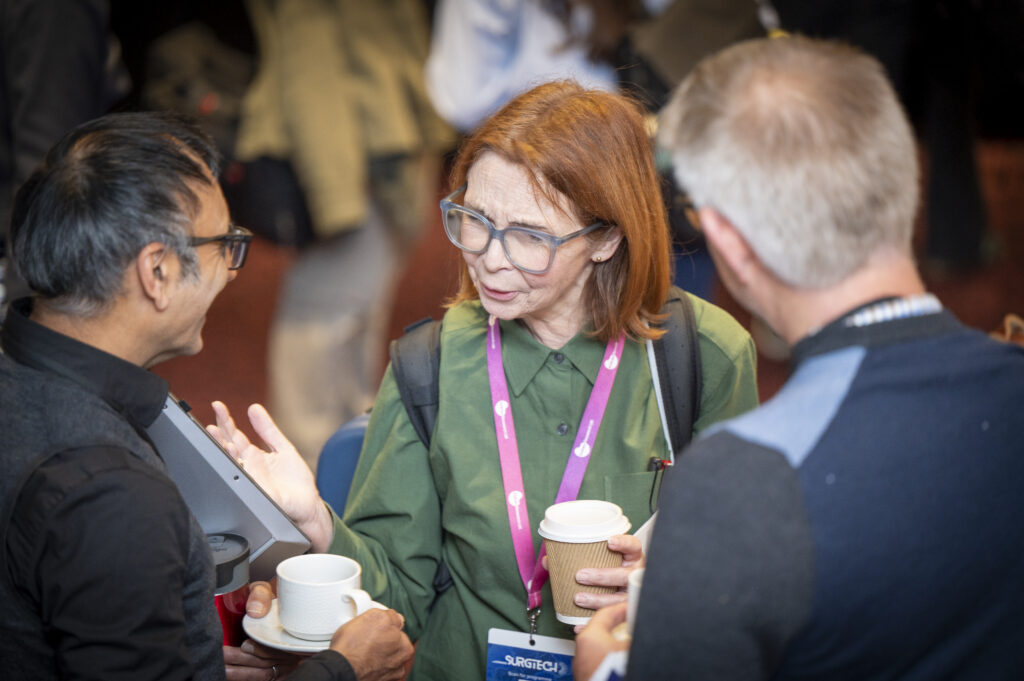
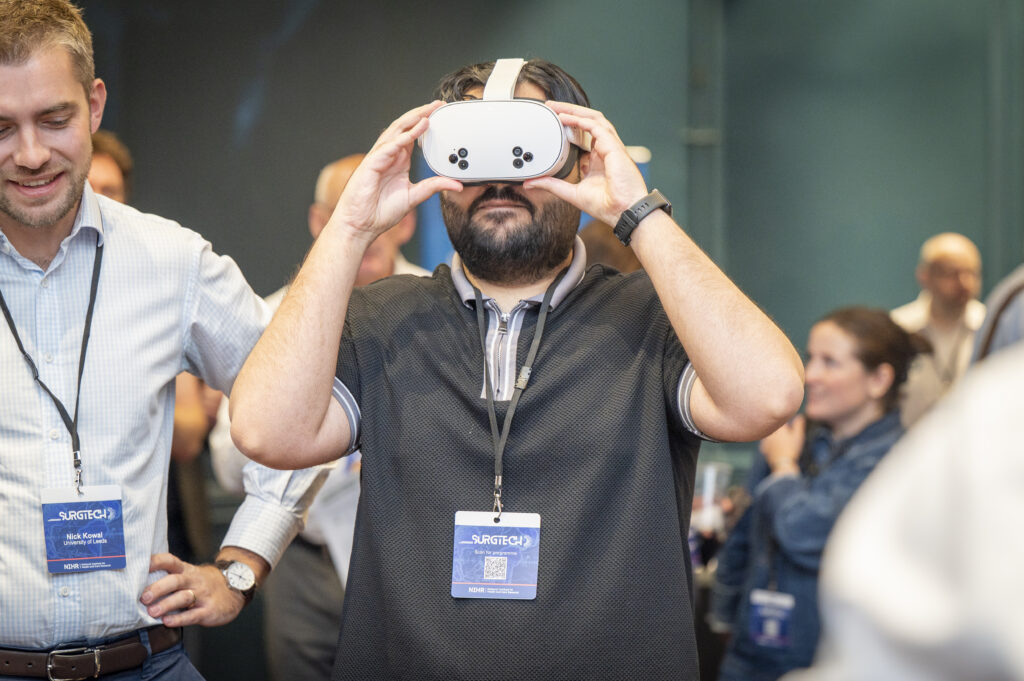
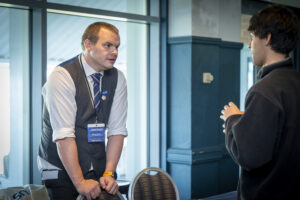
Alongside the plenaries and breakout sessions, the exhibition space was buzzing with conversations, connections and opportunities to meet organisations helping to catalyse health innovation.
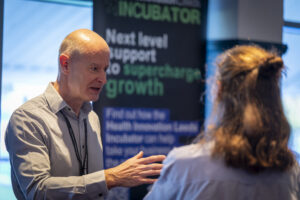
We were delighted to chat to innovators about the £2 million Health Innovation Leeds Incubator, funded by the West Yorkshire Investment Zone and led by Nexus at the University of Leeds together with Leeds Beckett University and Leeds Teaching Hospitals NHS Trust, working closely with Leeds City Council. Combining practical workshops, specialist expertise and tailored one-to-one support, the Incubator helps healthtech businesses overcome barriers to growth, navigate challenges and accelerate their journey from idea to impact.
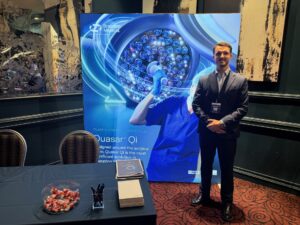
We were also pleased to be alongside partners, including silver sponsors Nexus and Health Innovation Yorkshire & Humber, as well as Leeds Teaching Hospitals’ Innovation Pop Up.
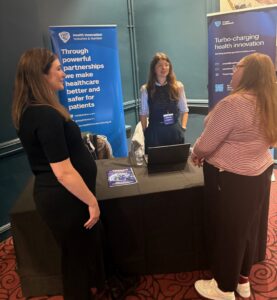
Nexus, the University of Leeds’ £40 million innovation community, helps businesses access the expertise, funding and connections they need to develop, test and scale new technologies. Meanwhile, Health Innovation Yorkshire & Humber, part of England’s national Health Innovation Network, works with innovators, NHS organisations and industry partners to support the adoption and spread of innovations that improve care and deliver real-world impact.
Leeds: where powerful connections spark powerful change
The conversations across the event confirmed that, while surgical technology – and its potential – continues to race ahead at lightening speed, meaningful change still depends on people asking good questions, sharing knowledge, building partnerships and working together to solve some of healthcare’s biggest challenges.
And we’re proud that – whether in the dramatic surrounds of an historic sports venue, or over a simple conversation with a brew – that’s something Leeds continues to do in spades: bringing the right people together to turn ideas into impact.
➡️ Whether you’re an innovator, business, investor or taking your next career step, find out how Leeds’ internationally-renowned ecosystem can help you succeed: https://healthinnovationleeds.com/ecosystem/
Image credits: Leeds Teaching Hospitals NHS Trust